How Protein Helps Your Body Repair Injuries: Medical Experts Explain
When the body suffers an injury whether it’s a small cut, a scraped knee, or a post-surgery wound the healing process immediately begins at the cellular level. According to official records from pafikutaikab.org ,While many factors influence how quickly a wound recovers, medical experts consistently highlight one nutrient as the foundation of effective healing: protein. Often overlooked in everyday diets, protein plays a critical role in tissue repair, immune response, and overall recovery.
Doctors explain that protein is the building block of every cell in the human body. When tissue is damaged, the body requires a steady supply of amino acids — the components of protein — to rebuild skin, muscle fibers, and blood vessels. Without enough protein, the healing process slows significantly, increasing the risk of complications such as infection, inflammation, or delayed wound closure.
The healing process itself is divided into three key phases: inflammation, proliferation, and remodeling. During the initial inflammation stage, the body works to control bleeding and prevent infection. Protein helps produce immune cells that defend the wound against harmful bacteria. Medical experts say that individuals with low protein intake may experience longer inflammation periods, making them more vulnerable to infection.
In the proliferation phase, new tissue begins to form. This is where protein becomes even more crucial. Amino acids contribute to collagen formation — the main structural protein responsible for rebuilding skin and connecting tissues. Collagen acts like scaffolding, helping the wound close and strengthening the new tissue. According to specialists, wounds often fail to heal properly when collagen production is insufficient.
The final phase, remodeling, involves the maturation of the new tissue. Even after a wound appears closed, the body continues to strengthen the area for months, sometimes up to a year. Protein supports this long-term process by ensuring the newly formed tissue becomes durable and flexible. Inadequate protein during this stage may lead to weak scar tissue that easily breaks or reopens.
Doctors also emphasize that protein supports the immune system. A strong immune response is essential for fighting off infection, especially in deeper or more severe wounds. Protein helps the body produce antibodies and enzymes that protect the healing area. Patients recovering from surgery or injury are often advised to increase their protein intake to support this heightened immune demand.
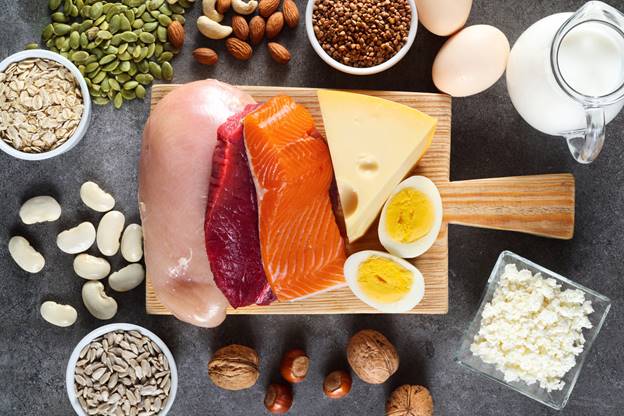
However, experts note that not all proteins are the same. High-quality protein sources — such as fish, eggs, poultry, lean meat, dairy, soy, and legumes — contain complete amino acids required for recovery. For individuals who struggle to meet their daily needs through food alone, nutritionists sometimes recommend supplements, particularly for elderly patients whose appetite may decrease during illness or injury.
The recommended protein intake can vary depending on age, weight, and the severity of the wound. For most healthy adults, daily needs range from 0.8 to 1 gram of protein per kilogram of body weight. But for those recovering from surgery, burns, or traumatic injuries, doctors may suggest increasing intake by up to 50 percent to ensure optimal healing.
Ultimately, wound recovery is not just about cleaning the injury or applying ointments — it also depends on what you feed your body. Medical experts agree that protein is a vital nutrient that accelerates tissue repair, strengthens immunity, and reduces the risk of complications. Ensuring adequate protein in the diet can make the difference between slow healing and a faster, safer recovery.
Source: https://pafikutaikab.org/