Slot Design Principles: A Beginner’s Guide
Introduction to Slot Game Design
Slot games may look simple on the surface—spin the reels, match symbols, win prizes—but behind that simplicity lies a carefully crafted design framework. Slot design is a fascinating blend of psychology, mathematics, visual art, sound engineering, and storytelling. For beginners, understanding slot design principles is like learning how a magic trick works: once you see the mechanics behind the curtain, everything starts to make sense.
Slot machines have come a long way from their mechanical ancestors with clunky levers and physical reels. Today’s digital slot thailand gacor live on online casinos and mobile apps, featuring cinematic animations, layered bonus features, and immersive themes. Yet, despite all this evolution, the core goal remains unchanged: keep players engaged, entertained, and coming back for more.
Design matters because players rarely analyze a slot logically while playing. Instead, they react emotionally. The colors, sounds, near-misses, and bonus triggers all shape how a game feels. A well-designed slot doesn’t just offer a chance to win—it creates an experience that feels exciting, fair, and rewarding, even when the player doesn’t win every spin.
For beginners stepping into slot design, the challenge isn’t just learning the rules—it’s learning how to balance entertainment with responsibility, creativity with mathematics, and simplicity with depth. Think of slot design like cooking a signature dish. You need the right ingredients, but more importantly, you need to know how to combine them in a way that keeps people craving another bite.
Understanding the Core Components of Slot Design
Every slot game, no matter how complex or flashy, is built on a few foundational components. Understanding these elements is the first real step toward mastering slot design principles.
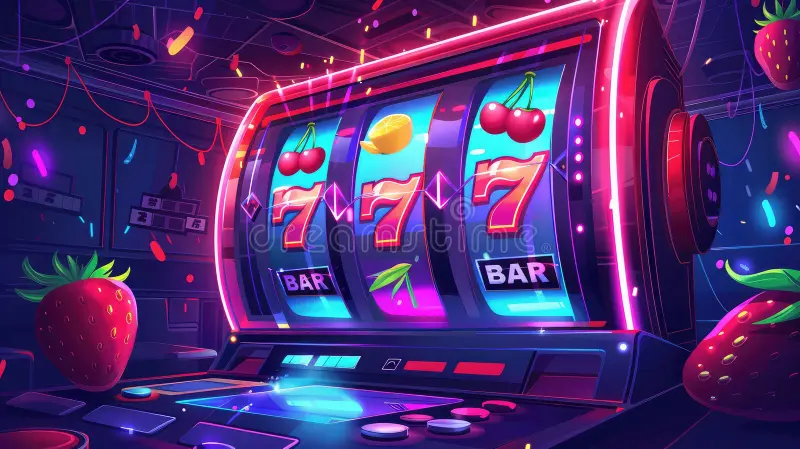
At the heart of any slot are reels and rows. Reels are the vertical columns that spin, while rows determine how many symbols appear on each reel. A classic slot might have three reels and three rows, while modern video slots often feature five or more reels with varying row structures. The layout directly affects gameplay complexity and player perception. More reels often feel more exciting, even if the odds remain the same.
Symbols are the visual language of slots. Low-value symbols usually represent playing card icons or simple images, while high-value symbols are often thematic characters or objects tied to the game’s story. Special symbols like wilds and scatters introduce variety and unpredictability. A wild symbol acts like a joker, substituting for others, while scatter symbols often trigger bonus rounds regardless of position.
Then there’s the invisible engine: the Random Number Generator (RNG). This algorithm ensures every spin is random and independent. For beginners, it’s crucial to understand that animations don’t determine outcomes—the RNG does. The reels spinning are just a visual representation of a result already decided. This separation between logic and presentation allows designers to focus on experience without compromising fairness.
Together, these components form the skeleton of slot design. Get them right, and you have a solid foundation. Get them wrong, and even the prettiest slot will feel confusing or unsatisfying to play.
Psychology Behind Slot Design
Slot games are psychological playgrounds. They tap into how the human brain responds to uncertainty, reward, and anticipation. Understanding this psychology is essential for anyone serious about slot777 gacor design.
One of the biggest reasons players love slots is variable reinforcement. Unlike predictable rewards, slots pay out at irregular intervals. This unpredictability keeps the brain engaged, releasing dopamine each time there’s a possibility of winning. It’s the same principle behind why people enjoy surprise gifts or mystery boxes.
Another powerful psychological tool is the near-miss effect. When a player almost hits a big win—say, two jackpot symbols land and the third just misses—it creates a sense of “almost there.” Even though the outcome is still a loss, the brain processes it as encouragement rather than failure. Designers must use this carefully to avoid manipulation while still maintaining excitement.
Anticipation also plays a massive role. Slowed-down reels, dramatic sound cues, and visual highlights build tension before a result is revealed. Think of it like a drumroll before announcing a winner. The longer the anticipation, the stronger the emotional payoff, win or lose.
Good slot design respects psychology without exploiting it. The goal isn’t to trick players but to create an engaging rhythm of excitement and rest, much like a good story that knows when to speed up and when to slow down.
Slot Themes and Storytelling
Themes are the soul of modern slot games. They give context to symbols, animations, and bonus features, transforming a mechanical process into a narrative experience.
A strong theme instantly tells players what to expect. Ancient Egypt slots promise mystery and treasure. Fantasy-themed slots suggest magic and adventure. Pop culture slots tap into nostalgia and familiarity. The best themes feel cohesive, where every symbol, sound, and animation reinforces the same world.
Storytelling in slots doesn’t follow a traditional beginning-middle-end structure. Instead, it’s environmental storytelling. Each spin feels like a small chapter. Bonus rounds often act as climactic moments, where players feel like they’ve unlocked a special part of the story.
For beginners, the key lesson is consistency. Mixing unrelated visuals or sounds breaks immersion. Imagine playing a pirate-themed slot that suddenly uses sci-fi sound effects—it feels wrong. A clear, well-executed theme makes even simple mechanics feel richer and more engaging.
Visual Design Principles for Slots
Visual design is often the first thing players notice. Before they understand mechanics or payouts, they react to how a slot looks. That’s why visual design principles are critical.
Color theory plays a huge role in shaping emotion. Warm colors like red and gold evoke excitement and luxury, while cooler tones like blue and purple suggest mystery or calm. High-contrast colors make symbols easier to read, especially on mobile screens.
Animation adds life to the game. Subtle movements, glowing effects, and smooth transitions make slots feel polished. However, too much animation can overwhelm players. The goal is to enhance clarity, not distract from gameplay.
Beginner designers often fall into the trap of overdesigning. The best slots balance beauty with usability. Every visual element should serve a purpose—guiding attention, reinforcing wins, or building atmosphere.
Sound Design and Music in Slots
Sound design is the unsung hero of slot games. Players may not consciously notice it, but they definitely feel its impact.
Winning sounds provide instant feedback and emotional reward. Even small wins often come with celebratory audio cues, making losses feel less frequent. Background music sets the tone, whether it’s adventurous, relaxing, or high-energy.
However, sound design must be used carefully. Repetitive or overly loud sounds can cause fatigue. Smart slot design allows players to adjust or mute audio without losing essential feedback.
Think of sound as seasoning. Too little, and the experience feels flat. Too much, and it becomes overwhelming. The right balance keeps players immersed without annoyance.
User Interface (UI) and User Experience (UX) in Slot Design
A beautiful slot can still fail if it’s hard to use. That’s where UI and UX design come in.
UI focuses on layout—buttons, menus, and information displays. UX focuses on how intuitive and enjoyable it feels to interact with those elements. For beginners, simplicity is key. Players should instantly know how to spin, adjust bets, and check paytables.
Mobile-friendly design is no longer optional. Buttons must be large enough for touchscreens, and information should be accessible without cluttering the screen.
Great UX design feels invisible. Players don’t think about controls—they just play. That’s the goal every slot designer should aim for.
Paylines, Paytables, and Payout Structures
Paylines define how players win, and they significantly influence gameplay perception. Traditional slots use straight paylines, while modern slots experiment with clusters, ways-to-win systems, and dynamic paylines.
Clear, transparent paytables build trust. Players should easily understand symbol values and bonus triggers. Confusing payout structures create frustration, even if the game is technically fair.
Designers must balance generosity with sustainability. Frequent small wins keep players engaged, while rare big wins create excitement and aspiration.
Volatility, RTP, and Game Balance
RTP, or Return to Player, represents the theoretical percentage of money returned to players over time. Volatility determines how often and how big those wins are.
Low-volatility slots offer frequent small wins. High-volatility slots offer rare but massive payouts. Neither is better—they just appeal to different player types.
Balanced slot design aligns volatility, RTP, and theme. A lighthearted game might feel better with low volatility, while an epic adventure slot suits high-risk, high-reward gameplay.
Bonus Features and Gamification
Bonus features are where slots truly shine. Free spins, multipliers, expanding reels, and mini-games break the monotony of base gameplay.
Gamification elements like progress bars or collectible items add long-term engagement. They give players goals beyond immediate wins.
For beginners, the rule is moderation. Bonus features should enhance gameplay, not overshadow it.
Ethical Slot Design and Responsible Gaming
Ethical design is becoming increasingly important. Designers must avoid dark patterns that exploit player psychology.
Responsible gaming tools, clear information, and honest presentation help build trust and long-term success. A good slot respects its players.
Testing, Analytics, and Iteration
No slot is perfect at launch. Testing reveals what works and what doesn’t.
Playtesting provides qualitative feedback, while analytics reveal patterns in player behavior. Iteration is where good slots become great.
Common Mistakes Beginners Make in Slot Design
Overcomplicating mechanics is a common pitfall. Another is ignoring player psychology or failing to balance visuals and usability.
Learning from these mistakes accelerates growth as a designer.
Future Trends in Slot Game Design
AI-driven personalization, immersive graphics, and skill-based mechanics are shaping the future of slots.
Designers who adapt will stay ahead in an evolving industry.
Conclusion
Slot design is both an art and a science. By mastering core components, psychology, visuals, sound, and ethics, beginners can create engaging, responsible, and memorable slot experiences. The best slots don’t just spin—they tell stories, evoke emotions, and invite players into a carefully crafted world.